
Bermuda vs Buffalo Grass: What Grows Best in Lubbock?
Bermuda vs Buffalo grass is the question most Lubbock homeowners ask when the old lawn gives up. Both handle West Texas heat, but they are not the same lawn. Bermuda is the workhorse: it spreads fast, takes foot traffic and mowing, and greens up strong in summer. Buffalo is the low-water native: it grows slower, needs less mowing and less water, and stays a softer green-blue.
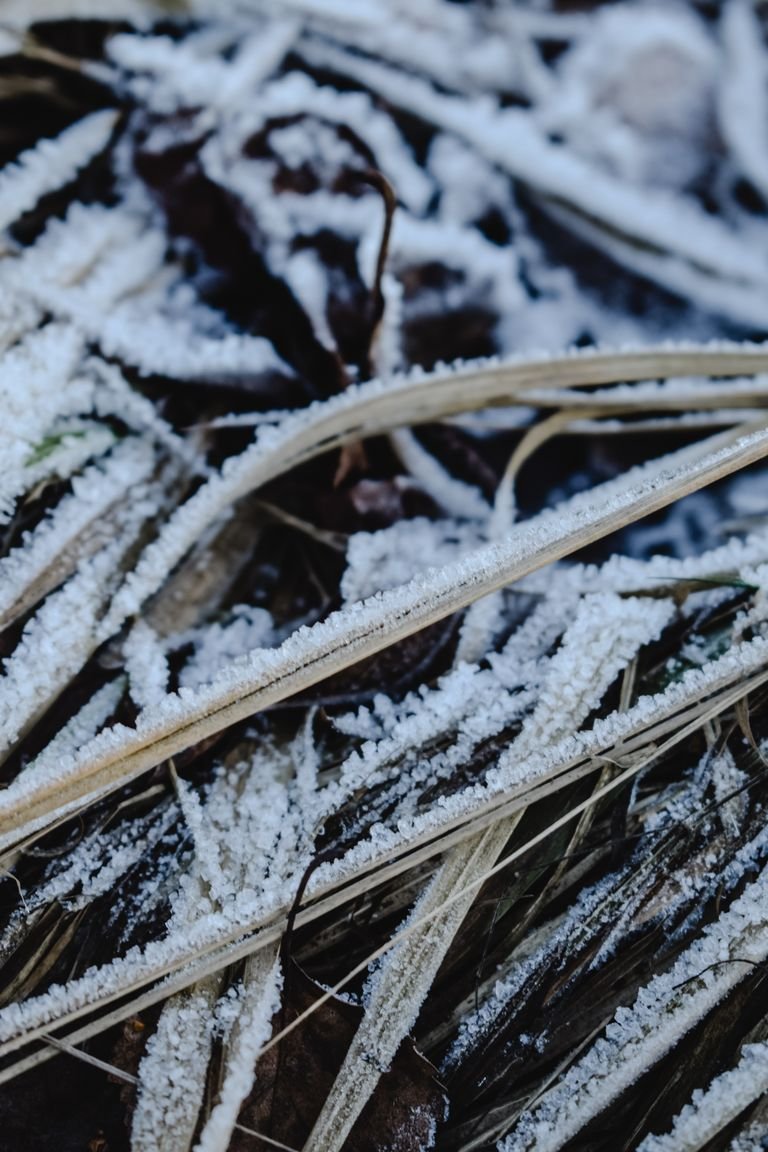
The trade-offs are real. Bermuda needs more water and more mowing, and it goes brown with the first hard freeze, then comes back in spring. Buffalo needs less of everything, but it fills in slowly, so bare spots take patience, and it does not love heavy shade or constant foot traffic from kids and dogs. On caliche soil, both do better with a little compost worked in before planting and an aeration pass once a year.
So which one? If you want a thick, tough lawn you can mow short and play on, Bermuda is usually the pick. If you want lower water bills and less mowing and you can live with a thinner, more natural look, Buffalo earns its place. Either way, the seed or sod has to match the yard. Call (806) 419-6465 and we will walk your yard and give you a free estimate.
Bermuda vs Buffalo Grass: Bermuda Up Close

Bermuda is the lawn most Lubbock homes already have, and there is a reason for that. It greens up fast in late spring, spreads by runners to fill in bare spots, and takes foot traffic, pets, and kids better than just about anything else that grows here.
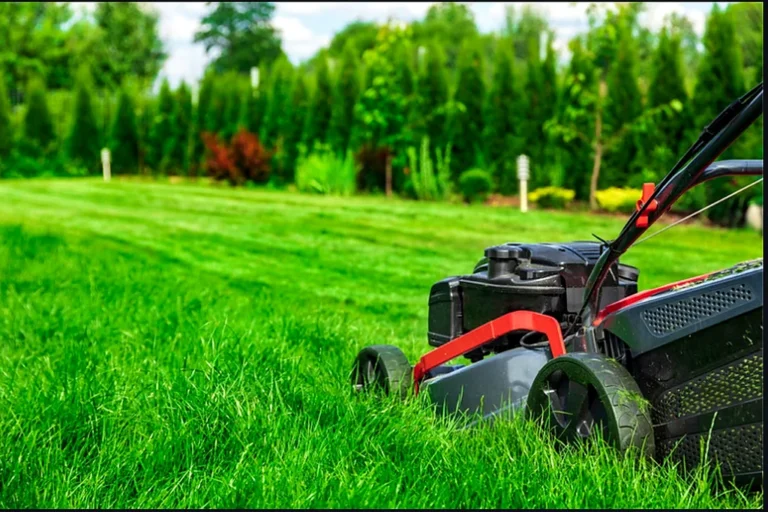
It also likes to be mowed: in the heat of summer, a Bermuda lawn wants cutting about once a week, and it looks its best kept fairly short, around one to two inches.
The trade-off is water. Bermuda is thirsty in July and August, and it shows it quickly, going dull and then brown at the edges when it dries out. Our guide to how often to water a lawn in Lubbock covers the schedule in detail, but the short version is deep waterings early in the morning, two or three times a week in summer, and less in spring and fall.
Bermuda also wants feeding and a little attention to the soil. A spring feeding once it has greened up, and another in early summer, keeps it thick and helps it crowd out weeds.
Because our caliche soil is alkaline and often compacted, Bermuda does noticeably better on a lawn that gets aerated once a year and has had a little compost worked in before planting.
If you are starting from scratch, sod gives you a lawn in a weekend, while seed is cheaper and takes longer to fill in, and either way the first month is about keeping it damp while the roots settle. That early care is part of any lawn care routine in Lubbock, and it pays off all summer.
Bermuda vs Buffalo Grass: Buffalo Up Close
Buffalo grass is the native option, and it behaves like one. It grows more slowly, stays a softer blue-green, and gets by on a lot less water than Bermuda, which is why it suits the drier parts of a yard and anyone who would rather not water and mow every week.
A buffalo lawn can be mowed once every couple of weeks, or left to grow a little taller and shaggier for a more natural look, and it still holds up through a hot, dry summer. It does have its limits: it fills in slowly, so bare spots take patience, it does not love heavy shade, and it will thin out under constant foot traffic from kids and dogs.
On a quiet front lawn or a big back lot, though, it is hard to beat for low effort.
Bermuda vs Buffalo Grass: Planting Either One Right

Whichever grass you pick, the planting matters as much as the choice. Late spring, once the soil has warmed up, is the best window for both, because warm-season grasses need heat to get going. Start by clearing the old lawn and weeds, loosening the top few inches of soil, and mixing in a little compost, especially where caliche sits close to the surface.
Sod gives you an instant lawn and is the safer bet on a slope, where seed can wash away in the first hard rain, but it needs steady watering for the first two or three weeks. Seed is cheaper and works well on a flat, open lot, as long as you keep it damp and keep foot traffic off it while it fills in.
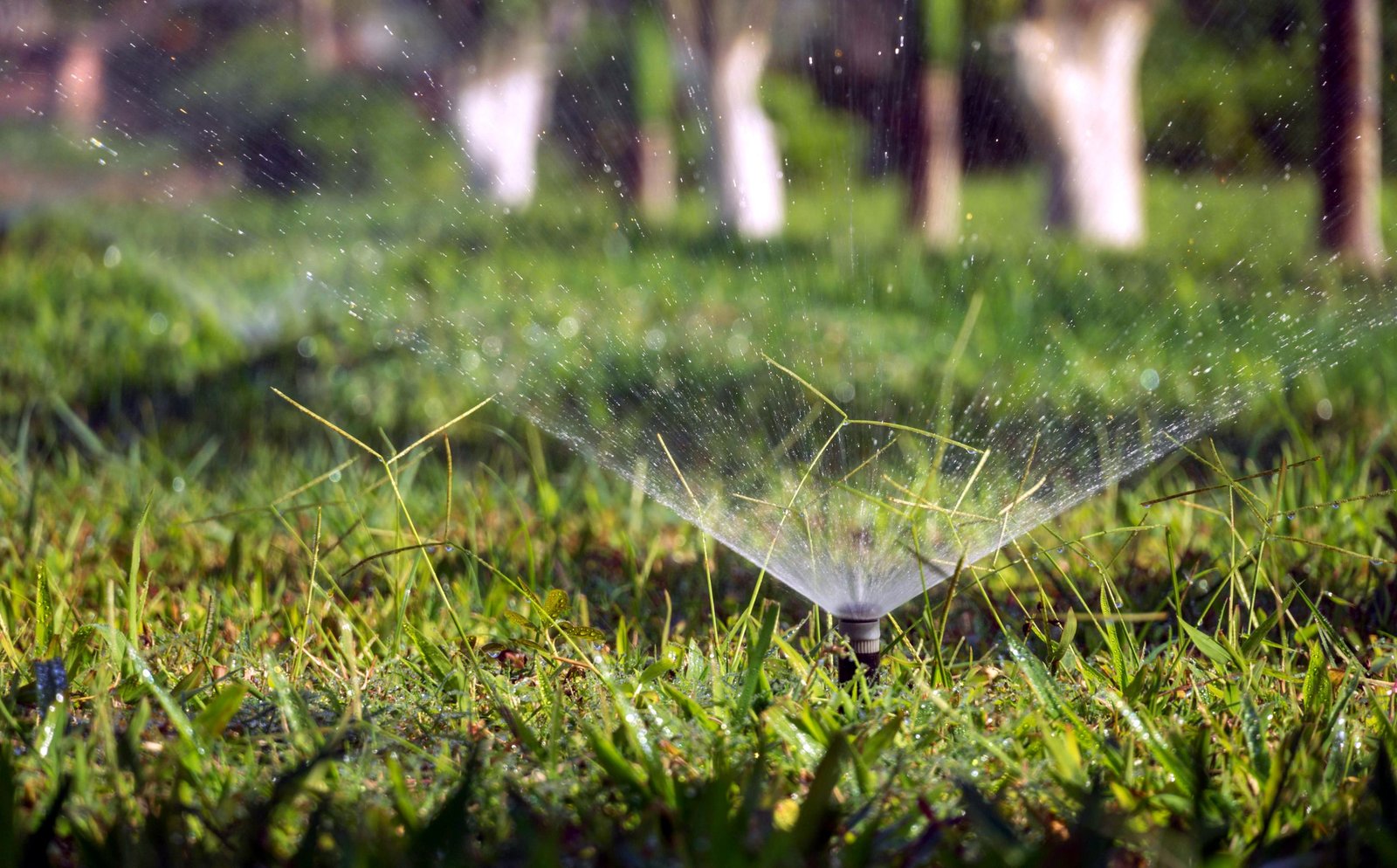
An irrigation system that covers evenly makes the first month much easier, because a new lawn that dries out in patches will grow in patches.
Bermuda vs Buffalo Grass: Mixing the Two in Shade
A lot of Lubbock yards end up with both grasses, and that is fine. Bermuda for the sunny front lawn and the play area, buffalo for the drier side yard or the back corner that nobody walks on much, and a low-water bed of native plants where grass would struggle anyway.
Neither grass is happy in deep shade, though: under a big pecan or elm, even Bermuda thins out, and the answer is usually to thin the tree canopy a little, or to swap the struggling grass for shade-tolerant ground cover and mulch.
If you are weighing a bigger change, our landscaping services in Lubbock can help you plan the mix, and the same choices apply across the area, from a new lawn in Wolfforth to a low-water yard in Idalou, where a bigger lot makes buffalo grass an easy fit.


3 Comments